
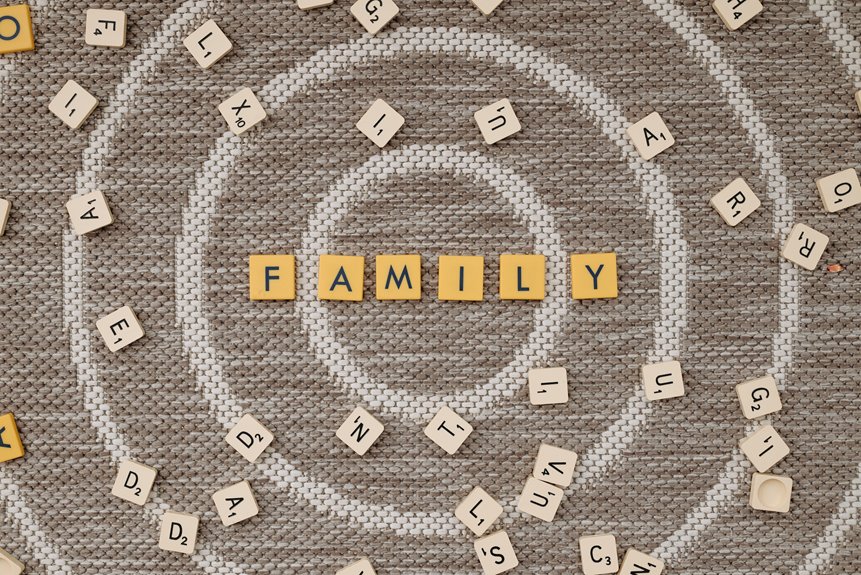
Imagine you’re in the final moments of a Scrabble match, and you have “UFO” in your hand. You know it’s a popular term, but is it valid to play? The answer isn’t as straightforward as it seems. Scrabble’s rules on what constitutes a word can be perplexing, especially with acronyms. So, what does it take for “UFO” to make the cut? Let’s explore how language, culture, and game rules intersect in this intriguing debate.
Is ‘UFO’ a Valid Scrabble Word?
When it comes to the world of Scrabble, players often find themselves questioning the validity of certain words, and “UFO” is no exception. You might wonder if this popular acronym for “Unidentified Flying Object” can earn you points.
While it’s widely recognized in everyday language, Scrabble has specific rules about what counts as a valid word. Generally, acronyms aren’t accepted unless they’ve made their way into the dictionary as standalone words.
What Counts as a Word in Scrabble?
Understanding what counts as a word in Scrabble is essential for any player looking to maximize their scoring potential.
To guarantee your words are valid, keep these key points in mind:
- Dictionary Source: Use an official Scrabble dictionary or word list recognized by your game.
- Standard Words: Common nouns, verbs, and adjectives are typically acceptable.
- No Abbreviations: Abbreviated terms, like “UFO,” don’t count unless they’re fully spelled out.
- Proper Nouns: Names of people, places, or brands are generally not allowed.
How Scrabble Treats Abbreviations Like ‘UFO’
Abbreviations like “UFO” often stir up debate among Scrabble enthusiasts. While Scrabble is known for its strict dictionary rules, it generally doesn’t accept abbreviations or acronyms as valid words.
This means that “UFO,” which stands for “Unidentified Flying Object,” typically won’t score you any points on the board. Many players argue that allowing such terms could open the floodgates for other abbreviations, complicating gameplay.
The game prioritizes standard language, focusing on words found in the dictionary rather than shorthand or informal expressions. So, if you’re hoping to play “UFO,” you might want to rethink your strategy and stick to full words.
Knowing these rules can enhance your game experience and keep the competition fair.
Pros and Cons of Using UFO in Scrabble
While “UFO” isn’t officially accepted in Scrabble, considering its potential pros and cons can spark interesting discussions among players. Here’s a breakdown of what to think about:
- Cultural Relevance: It reflects a modern lexicon, connecting the game to current events and interests.
- Player Engagement: Discussing its validity can enhance social interaction, making the game more lively.
- Strategic Moves: If allowed, it could provide unique scoring opportunities through creative placements.
- Rule Integrity: Using unofficial words could undermine the game’s structure and challenge, leading to disputes among players.
Ultimately, weighing these factors can enrich your Scrabble experience and provoke engaging conversations around the game’s evolving language!
Pop Culture’s Role in Scrabble’s Evolving Dictionary
As pop culture continues to shape our language, it inevitably influences Scrabble’s evolving dictionary. You might notice that terms from music, movies, and social media are making their way into official word lists.
This trend reflects how language adapts to contemporary society, making the game more relatable and engaging for players. For instance, words like “selfie” and “emoji” have gained recognition, showing that Scrabble isn’t stuck in the past. Instead, it embraces modern vernacular.